

Home / Blog / Bioengineering Internship at Medsby
Internship StoryMore Than an Internship: The Two Months That Changed My Perspective on Bioengineering

Quick answer
In two months at Medsby Healthcare & Engineering Solutions in Coimbatore, a bioengineering student worked across FDM 3D printing, resin printing, microfluidics and 3D bioprinting, and came away with more than technical skills: confidence with unfamiliar problems, patience and a layer-by-layer view of innovation.
- Four technologies in one internship, each building on the last.
- Failed prints are feedback, not setbacks.
- Mentorship mattered most: real responsibility and freedom to make mistakes.
Walking In Expecting Skills, Leaving With Perspective
Project Engineering Intern, Medsby
There are some experiences that quietly shape you without you realising it. You walk in expecting to learn a few new skills, complete a couple of tasks and earn an internship certificate. But somewhere along the way, those expectations evolve into something much bigger. That is exactly what happened during my two months at Medsby Healthcare & Engineering Solutions, Coimbatore.
When I first stepped into the company, I had no idea I would soon be immersed in 3D printing, resin printing, microfluidics and 3D bioprinting, all within a single internship. Every day was different, every challenge demanded a new way of thinking, and every project pushed me one step closer to the engineer I aspire to be.
3D Printing: Every Failed Print Is Feedback
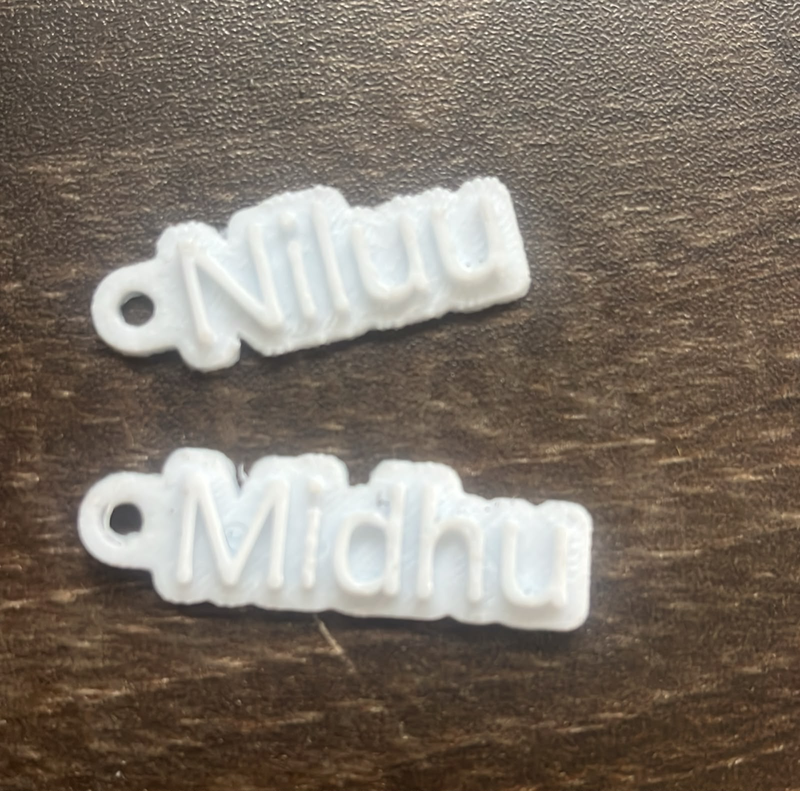
One of the most exciting parts of my internship was working extensively with 3D printing. Before joining Medsby, I understood the fundamentals of additive manufacturing, but seeing the entire process unfold in a real engineering environment was completely different. Designing CAD models, preparing them for printing, optimising slicing parameters, troubleshooting failed prints and constantly refining designs taught me that successful engineering is rarely achieved on the first attempt.
Every failed print wasn’t a setback; it was feedback. I gradually learned to appreciate the countless iterations behind even the simplest prototype, and with every modification my confidence in design and manufacturing grew.
Resin Printing: Where the Real Work Begins
While I was getting comfortable with FDM printing, I was introduced to resin printing. The precision and surface finish achievable with resin opened my eyes to a different side of additive manufacturing. Unlike conventional printing, it required careful attention to model orientation, support placement, washing, curing and post-processing. Engineering doesn’t end when the printer finishes; in many cases, that’s where the real work begins.
Watching highly detailed models emerge layer by layer made me appreciate the accuracy required for biomedical applications, and reinforced how critical precision is in engineering.
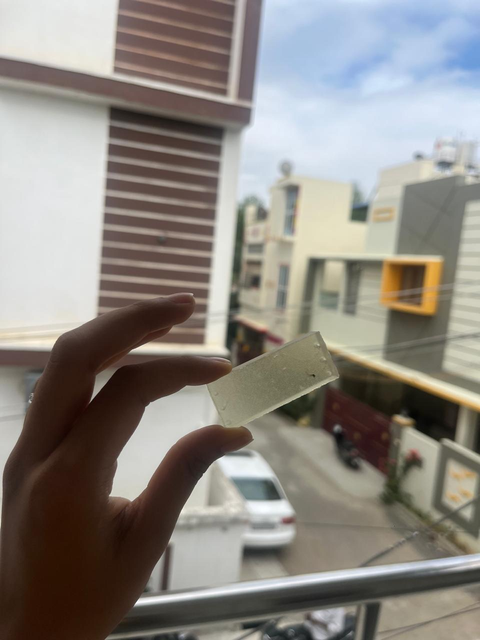
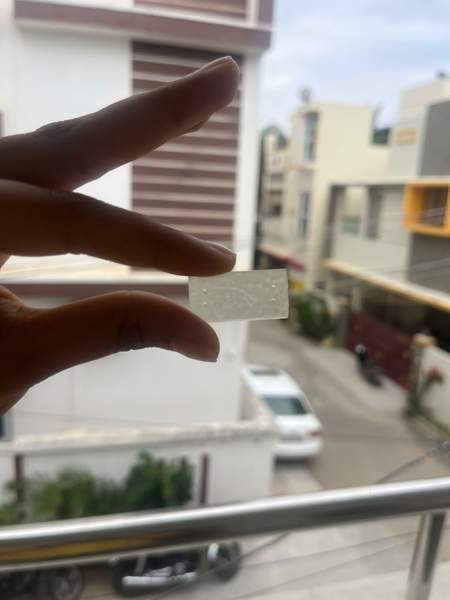
I wrote about the resin chip failures in detail in Unlearning to Build.
Microfluidics: Engineering at the Microscopic Scale
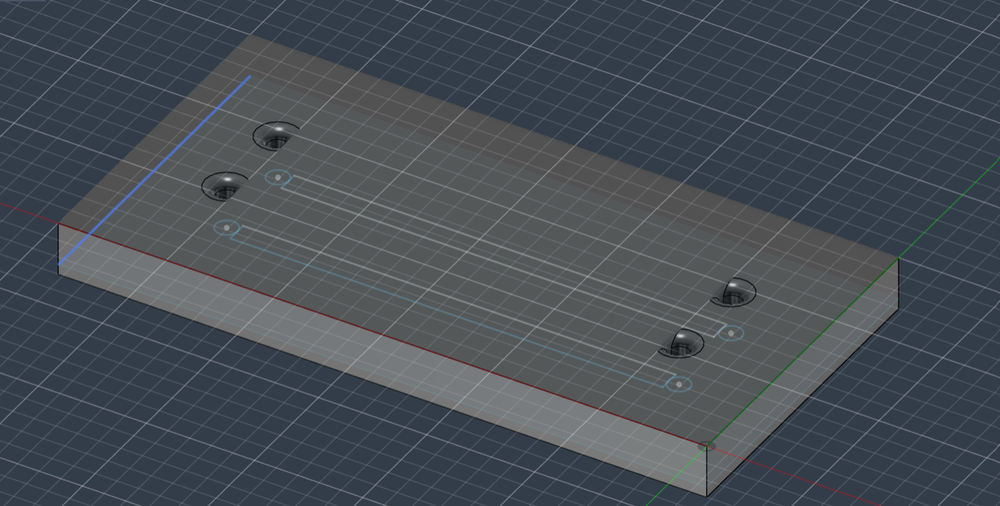
Perhaps the most intellectually stimulating part of my internship was working with microfluidics. Designing tiny channels that control fluid flow with such accuracy felt almost surreal. It challenged me to think differently, because even the smallest design decision could significantly change how fluids behaved inside the device.
Through CAD design, fabrication and continuous discussions with my mentors at Medsby, I began to understand how microfluidic systems are transforming diagnostics, drug delivery and organ-on-chip technologies. It was fascinating to see how engineering at such a microscopic scale can have such a massive impact on healthcare. Read how I later chased transparency in Microfluidics with FFF Printing.
3D Bioprinting: Where Biology Meets Engineering
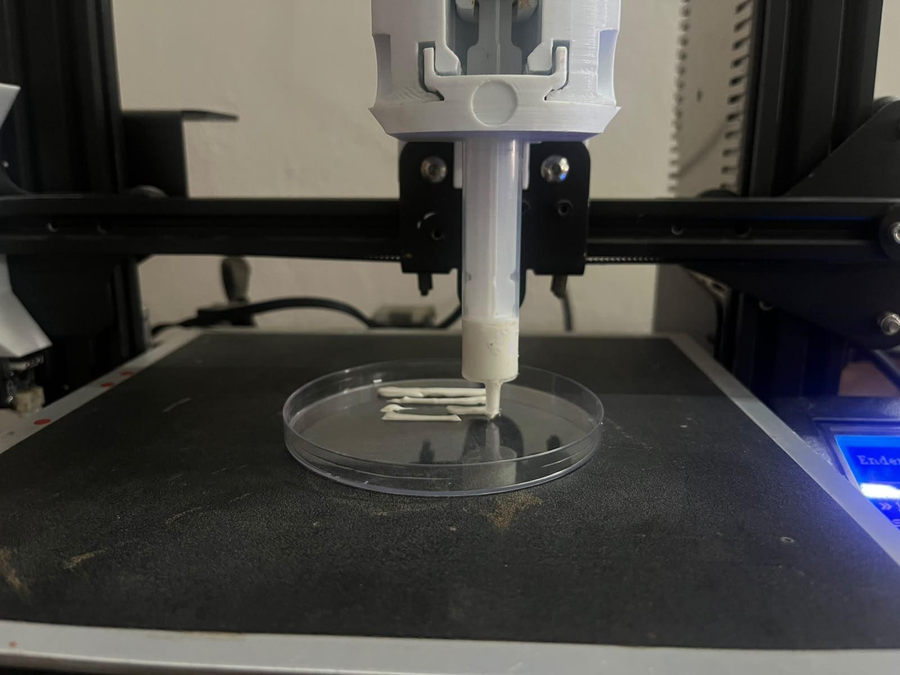
The experience became even more rewarding when I was introduced to 3D bioprinting, an area that perfectly combines biology and engineering. Unlike traditional 3D printing, it made me think beyond machines and focus on biomaterials, extrusion behaviour, viscosity and scaffold design.
Working with syringe extrusion systems showed me that every parameter, from nozzle diameter and print speed to layer height and material consistency, plays an essential role in a successful print. It was a constant process of experimenting, observing, modifying and trying again. The countless hours spent calibrating the printer and understanding material behaviour taught me one of the most valuable engineering lessons: patience is just as important as technical knowledge. The full story is in From Plastic to Paste.
Juggling Four Technologies at Once
Managing all these technologies simultaneously wasn’t always easy. Some days I spent hours troubleshooting a printer only to find the issue was a tiny setting I had overlooked. Other days meant switching between CAD software, research papers, experimental set-ups and discussions with mentors, trying to connect everything I was learning. At first it felt overwhelming, but gradually I learned to organise my time, prioritise tasks and embrace the uncertainty that comes with research and development. Instead of trying to master everything at once, I focused on learning something new every single day. That mindset made all the difference.
The People Who Made It Special
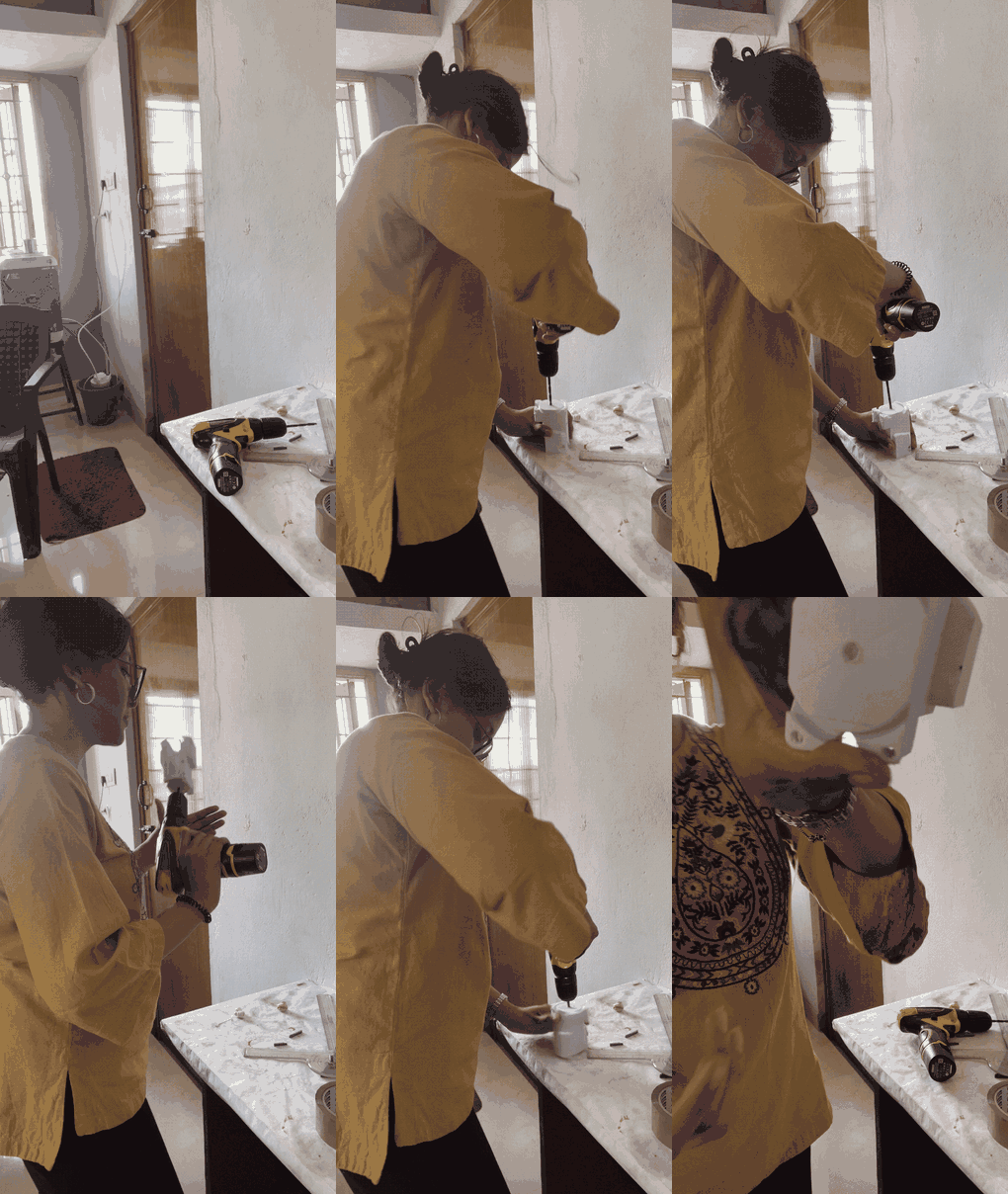
What truly made this internship special wasn’t just the technology; it was the people. The team at Medsby never treated me as someone who was simply there to observe. They encouraged me to ask questions, trusted me with meaningful responsibilities and let me explore ideas without the fear of making mistakes. That environment turned every challenge into a learning opportunity, and their guidance helped me move beyond textbook knowledge to understand what engineering actually looks like in practice.
What I Took Away
As my internship came to an end, I realised I was leaving with far more than technical skills. I had gained confidence in approaching unfamiliar problems, learned the importance of persistence and discovered how different branches of engineering connect to create meaningful healthcare innovations. From designing models and troubleshooting printers to exploring microfluidic devices and bioprinting scaffolds, every experience deepened my understanding of why I chose bioengineering in the first place.
As I continue my journey in bioengineering, I know this internship will always remain one of the most defining chapters of my academic and professional life, reminding me that every challenge is simply another opportunity to grow.
Learn 3D Printing, Microfluidics and Bioprinting in Coimbatore, Tamil Nadu
Medsby is based in Coimbatore, Tamil Nadu, and works with students, colleges, labs and startups across India. If you want hands-on experience in 3D printing, microfluidics or bioprinting, explore our 3D printing services, industrial training and academic lab programmes, or contact the team.
Frequently Asked Questions
What did the intern work on during two months at Medsby?
The internship covered four connected areas: FDM 3D printing, resin printing, microfluidics and 3D bioprinting, including CAD design, slicer optimisation, troubleshooting and calibrating a syringe extrusion bioprinter.
What does a failed 3D print teach you?
Failed prints are feedback, not setbacks. Each one points to a setting, design choice or material behaviour to improve, and the iterations build confidence in design and manufacturing.
How is resin printing different from FDM printing?
Resin printing needs close attention to model orientation, support placement, washing, curing and post-processing, and it delivers finer detail and surface finish. The real work often begins after the printer stops.
Why is microfluidics important in healthcare?
Microfluidic devices control tiny volumes of fluid very precisely and are transforming diagnostics, drug delivery and organ-on-chip technologies.
What skills does a bioengineering internship like this build?
Hands-on CAD and slicing skills, troubleshooting, patience, time management, comfort with uncertainty and the ability to connect different branches of engineering into healthcare solutions.
How can students in Coimbatore and Tamil Nadu learn these technologies at Medsby?
Medsby, based in Coimbatore, works with students, colleges and labs through 3D printing services, industrial training and academic lab programmes. Contact the team to ask about learning opportunities.
Project Engineering Intern, Medsby, Coimbatore | B.Tech Bioengineering student
Niilee is currently pursuing a B.Tech in Bioengineering and has always been someone who loves learning. Whether through books, conversations, new experiences or scientific discoveries, she enjoys understanding how things work and exploring ideas that challenge her to think differently. Curiosity has always been one of her biggest motivations, and it is what drew her towards fascinating technologies like 3D printing and microfluidics in the first place.
Founder & CEO, Medsby Healthcare & Engineering Solutions
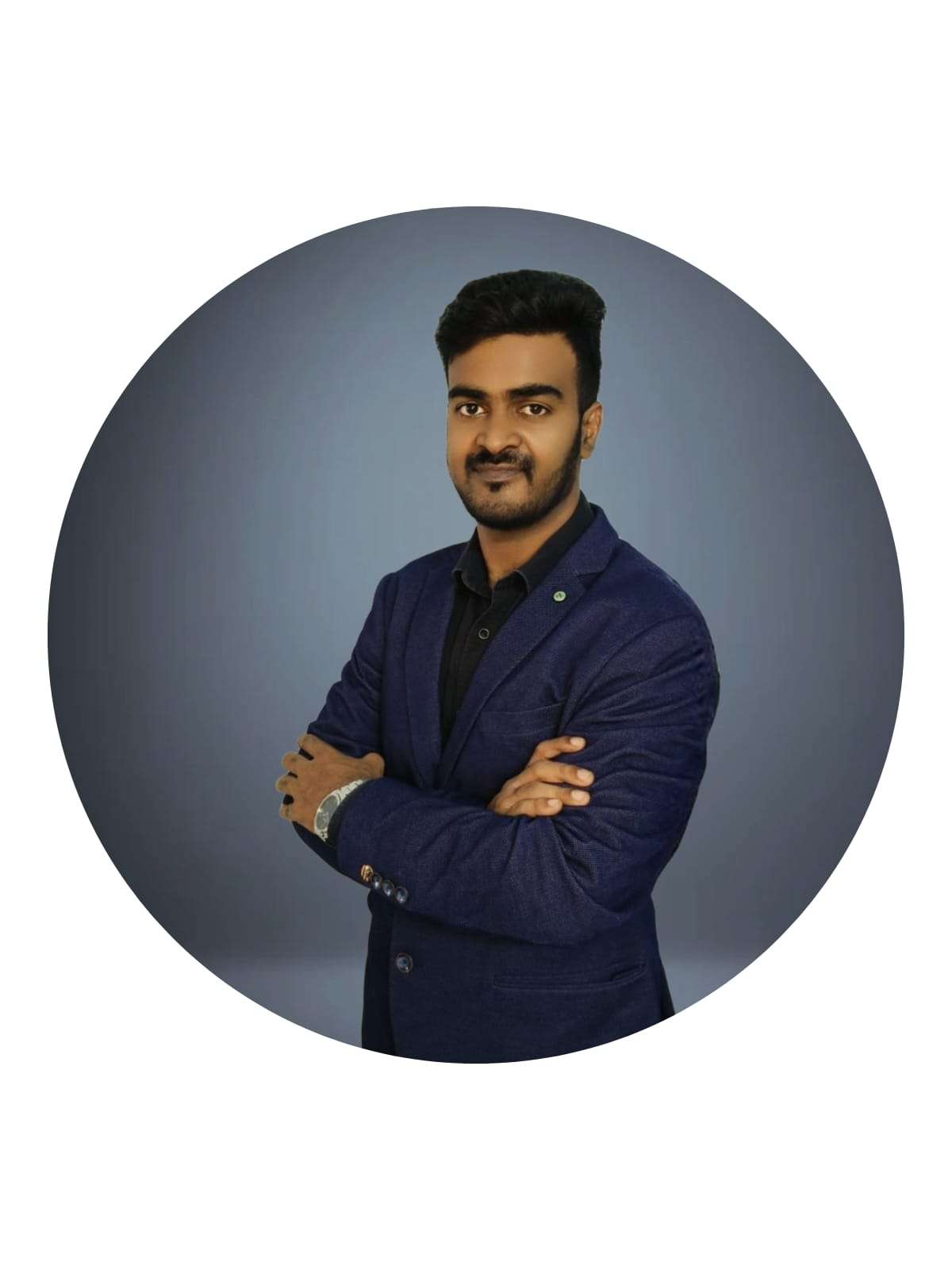
Guruprasandh is the founder of Medsby, a Coimbatore-based manufacturer and technology service provider established in 2014, specializing in wearable technology, healthcare devices, and 3D printing. With over a decade of experience in healthcare technology and engineering, he is committed to knowledge sharing, upskilling, and educational training for students and young innovators.
Keep exploring
Want to learn by building?
Talk to the Medsby team in Coimbatore about 3D printing, microfluidics, bioprinting and hands-on training for your college, lab or startup anywhere in India.
Industrial training Talk to our team