

Home / Blog / Biomechanics in Biomedical Research
Biomechanics & Biomedical DevicesBiomechanics in Biomedical Research: Why It Matters and Where India Stands
Quick answer
Biomechanics is the study of how forces interact with biological systems. It helps researchers understand the structure, function and movement of living organisms, and it powers devices from prosthetic limbs to smartphone gait analysis and wireless EMG.
- Everyday impact: backpacks, shoes, prosthetics and rehabilitation tools all rely on it.
- New tools: smartphone gait analysis and wireless EMG make movement data affordable and portable.
- India: roughly 70% of medical devices are still imported, so affordable local innovation matters.
It’s easy to spot engineering around us. Computers, clocks, buildings and even basic plumbing are products of engineering disciplines that have shaped society for centuries. But one type of engineering hides right beneath our noses: biomedical engineering. It may not be a product we see lying around, yet we all reap its benefits. Every time we receive a vaccine, undergo a medical scan or attend a routine hospital check-up, biomedical engineering plays a role in improving our lives.
If biomedical engineering is so important, why don’t we know more about it? Partly because it is highly interdisciplinary, combining engineering, biology, medicine and computer science. One of its most influential branches is biomechanics.
What Is Biomechanics?
Biomechanics is the study of how forces interact with biological systems, helping researchers understand the structure, function and movement of living organisms. Its usefulness reaches every type of lifestyle, from elite sport to a walk to the shops.
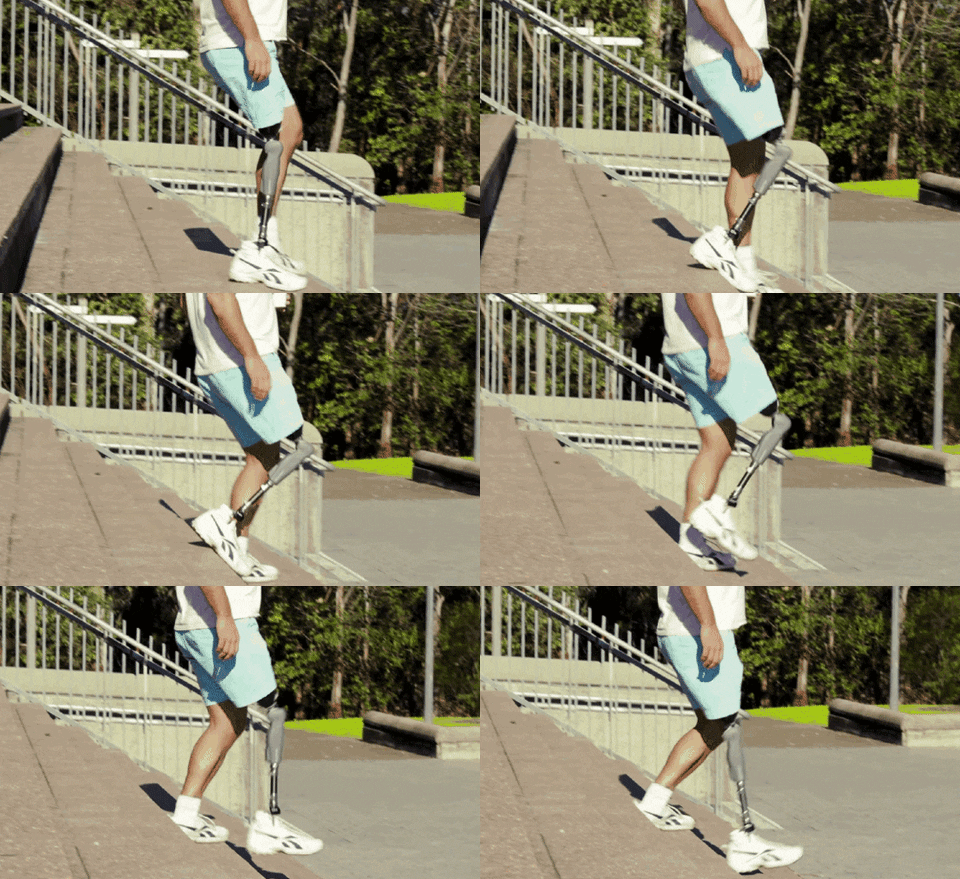
Biomechanics in Everyday Life
Prosthetics are the most familiar example. Prosthetic limbs help amputees regain mobility, independence and a higher quality of life. But what else does biomechanics offer the average person?
It isn’t only advanced technical products. It is also in small things we take for granted, like your everyday backpack. You might use it for school, work or travel, but have you wondered why it is more efficient than a tote or duffel bag? By distributing weight more evenly across the shoulders and back, a well-designed backpack reduces strain and lowers the risk of injury. Even your shoes are a product of biomechanics, positioning your feet ergonomically to help prevent constant pain or injury. Biomechanics is all around us; it just takes some patience and a curious mind to find its secrets.
The Limits of Biomechanics Today
For all its usefulness, biomechanics still has limits. We can make a prosthetic leg, but we can’t yet fully replicate the natural movement and control of a biological limb. These gaps are why biomechanics is an ever-growing field. Continued research will lead to more effective medical devices, improved treatments and a deeper understanding of the human body, and its impact will keep shaping lives in ways both large and small.
Biomechanics Innovations Shaping Healthcare Today
Although biomechanics is still growing rapidly, many innovations are already changing lives.
Smartphone-based gait analysis
Smartphone gait analysis has been rising in sporting circles. With the right app, anyone can analyse their posture and cadence, spot subtle flaws in their running technique that would otherwise go unnoticed, and correct them. It is an affordable, accessible way to improve movement patterns with objective feedback.
The evidence is encouraging. A 2024 scoping review by Lorenzo Brognara covered studies of gait assessment with mobile apps in 723 older adults and 164 control cases. It found moderate-to-excellent test–retest reliability and validity for gait speed, with ICCs around 0.9, and excellent agreement with gold-standard systems. That kind of accuracy can give clinicians valuable movement data, support earlier detection of mobility problems and widen access to remote healthcare.
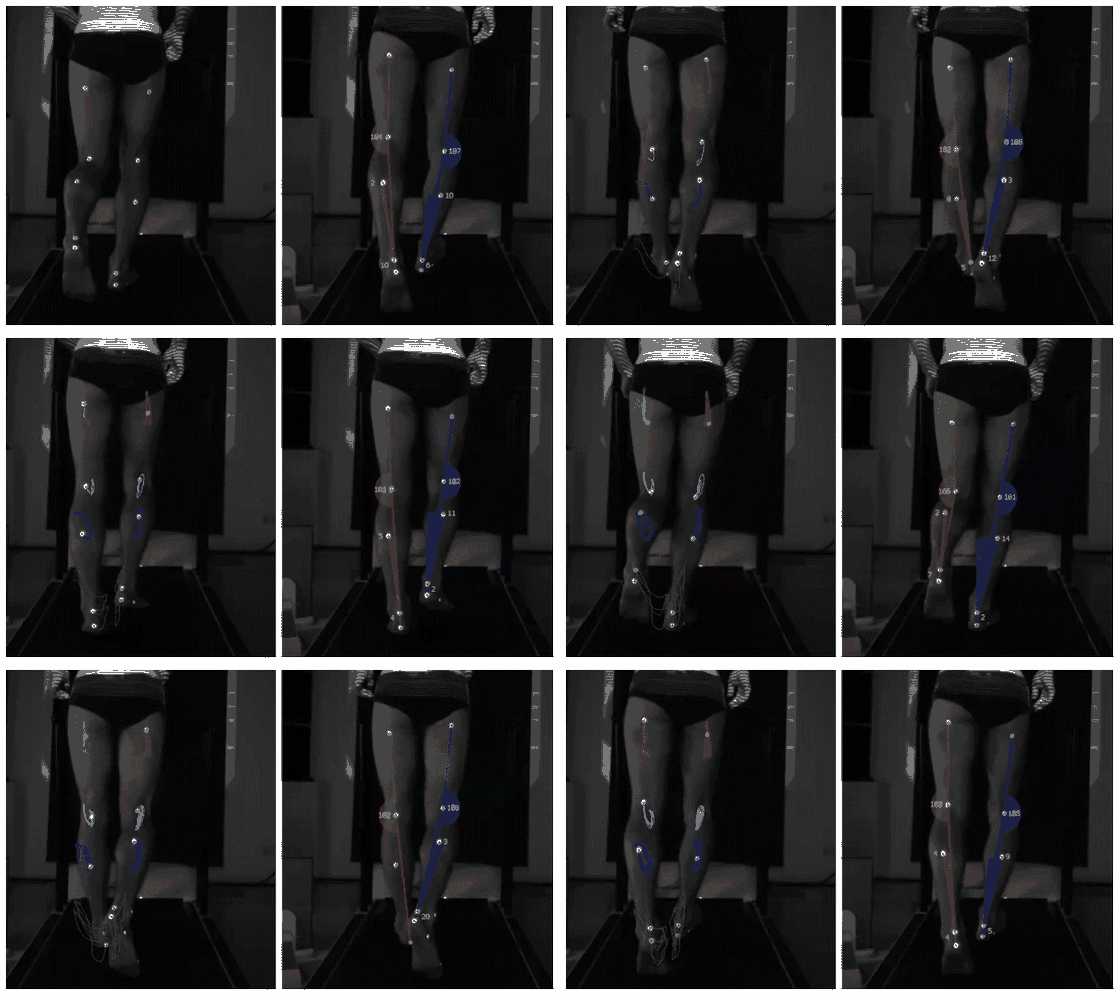
Wireless electromyography (EMG)
EMG systems measure the electrical activity of skeletal muscles using electrodes. Traditional EMG relied on wired electrodes connected to external recorders. The wires could chafe against skin and clothing, disrupt the readings and limit the range of motion.
Wireless EMG fixes most of those problems. The sensors are tiny, lightweight pods that stick directly to the skin, so movement is no longer restricted. They also make continuous monitoring, long-term tracking and telehealth-based rehabilitation far more practical. These technologies are impactful, but bringing them to a global scale is a challenge.
Want to see this kind of sensing in practice? Read how force plates measure ground reaction force and how an IMU sensor tracks motion.
Biomedical Devices in India: Cost, Imports and Opportunity
Most biomedical technologies need substantial upfront investment and often take years of research and testing before they reach the market. That long timeline is a major reason many hospitals turn to imports. Government figures cited in Parliament put India’s medical device import dependence at roughly 70%.
Cost varies enormously by device. A basic EMG sensor module can be bought for around ₹1,800 to ₹2,000, but large systems such as MRI and CT scanners involve far greater manufacturing and infrastructure costs. High-end imaging equipment has long been imported, and domestic production has only begun in recent years. The government’s PLI scheme, with an outlay of ₹3,420 crore, has helped production start for more than 55 devices, including MRI and CT scanners, and Bengaluru-based Voxelgrids reports a regulatory licence for India’s first indigenous MRI scanner.
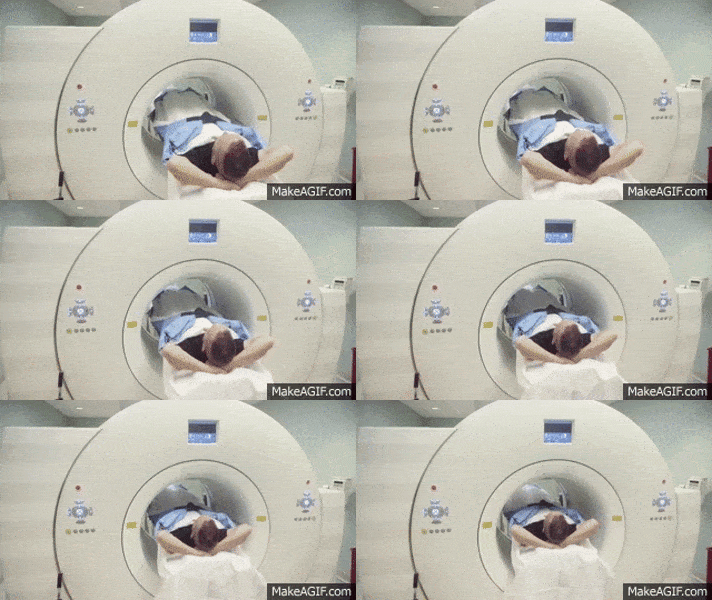
Affordability and Feasibility of New Technology in India
Many biomedical technologies could be developed and commercialised within India, but it takes continued investment in research and healthcare infrastructure. Making devices locally can reduce the need for expensive imports and bring advanced healthcare technology within reach of hospitals and patients alike. Reports suggest locally made high-end devices could cost considerably less than imported ones.
- Start where it is feasible: sensors, wearables, rehabilitation tools and 3D-printed components need far less capital and development time than a full MRI system, so they can reach clinics sooner.
- Design for the real setting: rugged, simple, serviceable devices suit smaller hospitals and rural areas, where access to specialised equipment is still limited.
- Cut the hidden costs: local manufacturing shortens supply chains and makes spare parts, servicing and training easier to get.
- Build the ecosystem: colleges, startups and hospitals working together, with schemes such as PLI and Medical Device Parks, can turn research into products.
By focusing on solutions that are both effective and economically feasible, India has the opportunity to widen access to healthcare while fostering innovation in the biomedical sector. As biomechanics and biomedical engineering advance, making these technologies affordable and accessible will matter as much as developing them.
How Medsby Supports Affordable Biomechanics in India
Medsby, based in Coimbatore, Tamil Nadu, builds biomechanics and biomedical tools for colleges, labs, clinics and innovators across India, including the Motivus IMU sensor and the BioMechX force plate. We also support teams in Coimbatore and across Tamil Nadu with industrial training, academic lab set-ups and 3D printing services for prototypes. Browse our biomechanics products.
Frequently Asked Questions
What is biomechanics?
Biomechanics is the study of how forces interact with biological systems, helping researchers understand the structure, function and movement of living organisms.
Why is biomechanics important in biomedical engineering?
It underpins devices such as prosthetic limbs, orthopaedic implants, rehabilitation tools and movement-analysis systems, and it drives better medical devices, treatments and understanding of the human body.
What are everyday examples of biomechanics?
A well-designed backpack spreads weight across the shoulders and back to reduce strain, and shoes support the feet ergonomically to help prevent pain and injury. Prosthetic limbs are a more advanced example.
How is a smartphone used for gait analysis?
Smartphone apps use built-in motion sensors to measure gait parameters such as walking speed, step length and cadence. A 2024 scoping review of studies in older adults found moderate-to-excellent reliability and validity, with ICCs around 0.9 for gait speed.
What is wireless EMG?
Electromyography (EMG) measures the electrical activity of skeletal muscles using electrodes. Wireless EMG uses small, lightweight sensor pods that stick to the skin, so there are no trailing wires restricting movement, which also makes long-term monitoring and tele-rehabilitation more practical.
Why does India import most of its medical devices?
Medical devices need large upfront investment and often years of research and testing before reaching the market, so many hospitals turn to imports. Government figures cited in Parliament put import dependence at roughly 70%, and schemes such as PLI aim to build local manufacturing.
Where can I find affordable biomechanics tools in Coimbatore and India?
Medsby, based in Coimbatore, Tamil Nadu, offers biomechanics tools such as the Motivus IMU sensor and the BioMechX force plate, with delivery across India, plus training for colleges, labs and clinics.
Sources
- Brognara, L. (2024). Gait Assessment Using Smartphone Applications in Older Adults: A Scoping Review. Geriatrics, 9(4), 95.
- Medical Dialogues: Medical device imports still at 70%, Parliament informed.
- India Briefing: India’s Medical Devices Sector, PLI Progress and 2026 Outlook.
- Business Today: India almost lost its first homegrown MRI (Voxelgrids).
- Business Standard: Government and medtech industry go local to develop high-end medical devices.

Project Engineering Intern, Medsby | Bioengineering student, University of Pittsburgh
Mithuna Saravanan is a bioengineering student at the University of Pittsburgh with a strong interest in biomechanics and medical innovation. At Medsby, she is gaining hands-on experience in engineering and healthcare technology, and she is passionate about learning how engineering can improve human health and movement.

Founder & CEO, Medsby Healthcare & Engineering Solutions
Guruprasandh is the founder of Medsby, a Coimbatore-based manufacturer and technology service provider established in 2014, specializing in wearable technology, healthcare devices, and 3D printing. With over a decade of experience in healthcare technology and engineering, he is committed to knowledge sharing, upskilling, and educational training for students and young innovators.
Keep exploring
Building affordable biomedical technology?
Talk to the Medsby team in Coimbatore about biomechanics tools, prototyping and training for your lab, clinic or college anywhere in India.
Biomechanics products Talk to our team